We got into this because we kept seeing trees ruined
Not by storms. By crews with a bucket truck, an afternoon and no particular view about where a cut belongs. Almost every failing tree we are called to was made worse by someone who was paid to help it.
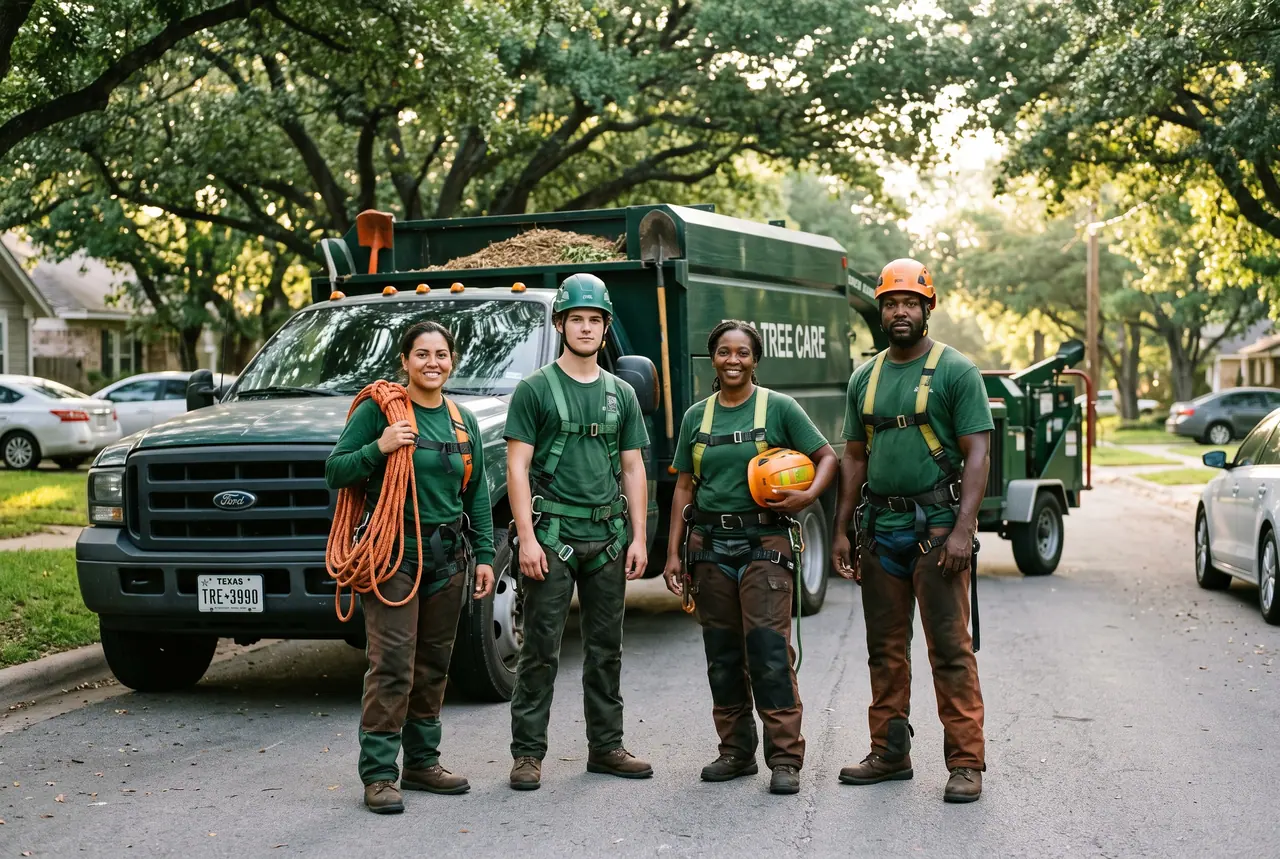
The correct answer is slower than the fast one
Topping a live oak takes an afternoon and looks decisive. The homeowner sees a smaller tree and feels safer. Five years later the tree is carrying a crown of fast, weakly attached regrowth on wounds it could never close, and it fails in a storm — which reads as bad luck rather than as the consequence it is.
Pruning properly is a series of decisions about which limbs a tree can afford to lose. Remove what is dead, dying, diseased or rubbing. Reduce the limbs carrying the most leverage over the roof. Then stop. No more than a quarter of a live crown in one visit, every cut at the branch collar so the tree can compartmentalise the wound. It takes longer and it costs more on the day.
Central Texas makes that argument for us. Oak wilt moves through neighbourhoods here every season, travelling underground through grafted live oak roots and above ground on beetles drawn to fresh wounds. The 2011 and 2022 droughts killed trees that had stood since before the houses around them existed. In this climate a badly made cut is not a cosmetic problem.
So the position is simple and it costs us work: we will tell you when a tree can be saved, we will tell you plainly when it cannot, and we will tell you when the honest answer is that it needs nothing at all this year.
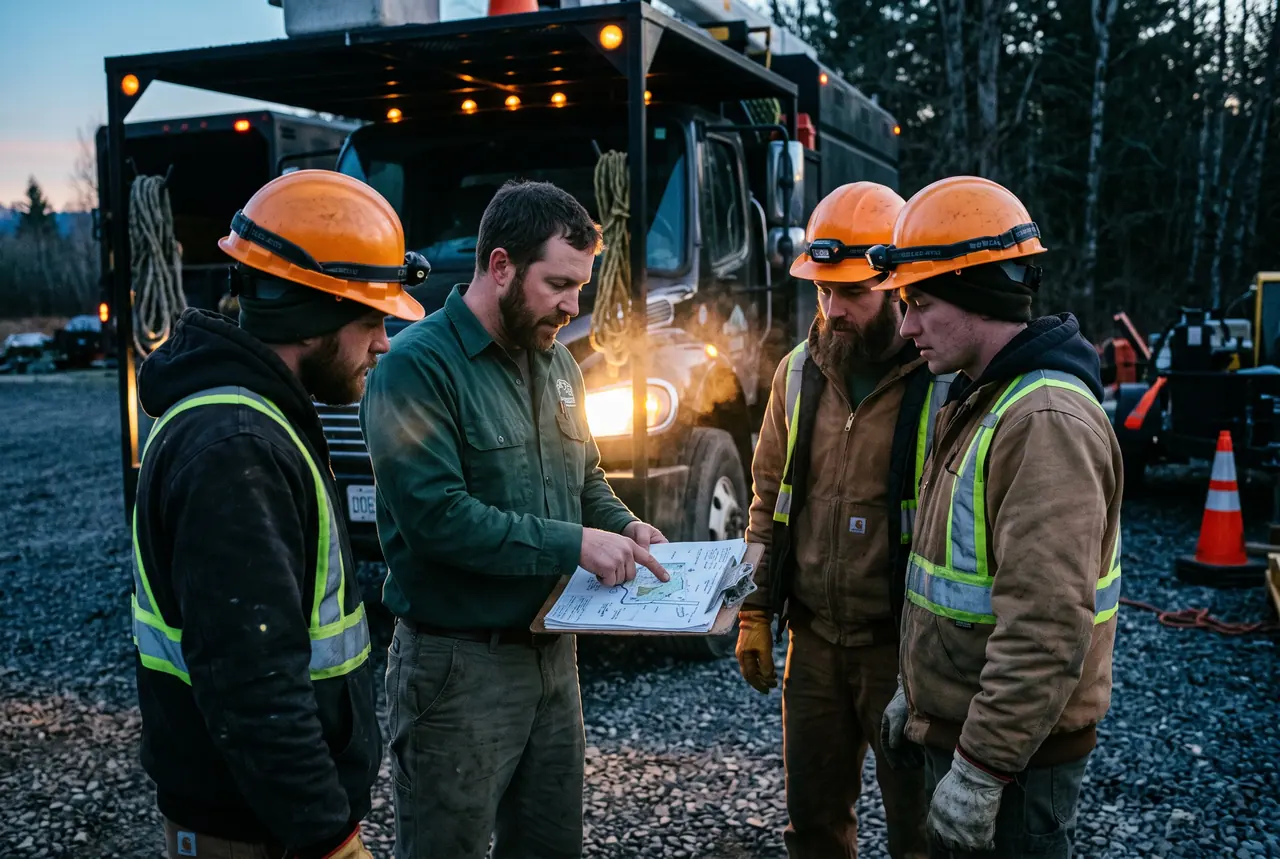
Four things we will not do
A list of refusals says more about a tree company than a list of certificates. Each of these costs us work, which is exactly why they are worth publishing.
- We do not top trees
- Topping is fast, it looks dramatic to a homeowner, and it sells. It also violates ANSI A300, opens decay pockets that never close, and provokes a flush of weakly attached shoots that are more likely to fail in the next storm than the limb that was removed. Crown reduction to a suitable lateral is the alternative, and it is what we do instead.
- We do not put spikes in a tree that is staying
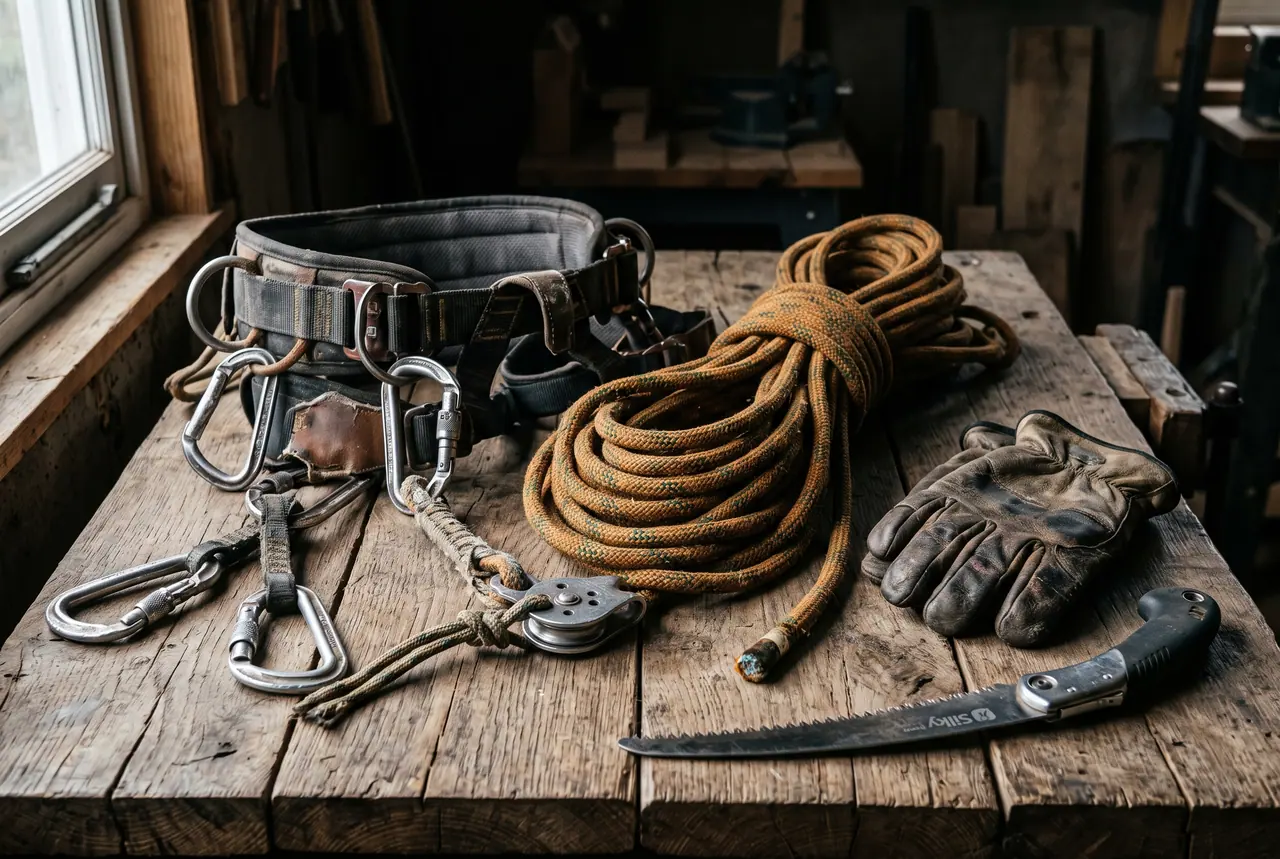
- Gaffs puncture living tissue. On a removal that is irrelevant. On a tree you are keeping, every hole is a permanent entry point for decay, and in Central Texas for oak wilt. Rope and saddle takes longer. That is the trade.
- We do not prune oaks between February and June
- Except for genuine hazards, and then every wound is painted within minutes of the cut. The sap-feeding beetles that carry oak wilt are flying in those months and a fresh cut is exactly what draws them. It costs us bookings every spring. It is not negotiable.
- We do not quote by the hour
- A fixed written price, listed tree by tree, agreed before anyone starts a saw. If the trunk turns out to be more decayed than it looked from the ground, work stops and the revised price is agreed before it continues. Nobody discovers the number at the end.
Three roles, three decisions
This page names no staff. It is a demonstration site and inventing people with biographies and years of experience would be a fabrication. What is real is the structure: every tree job turns on three decisions, and it matters who is making each one.
The arborist who quotes it
Walks the property, identifies species, defects and targets, and decides what each tree actually needs. This is the person who has to be willing to say "nothing" and lose the sale, which is the whole test.
Decides: What gets cut, and what does not
The person who answers at 2am
Runs scheduling, permits and the storm line. After a regional storm this role does the triage: severity first, contracts second, and an honest position in the queue rather than a comfortable one.
Decides: Who gets a crew first
The climber on the rope
Sets the rigging and makes the cuts. Decides in the canopy whether a limb comes down in one piece or five, and whether a trunk can be trusted at all — a judgement nobody on the ground can make for them.
Decides: How the load comes down
About this page
No. This is a demonstration website, so it describes the three roles inside a tree crew and what each one decides, rather than inventing named staff with biographies and years of experience. The previous version of this page did invent them, along with a certification number and an insurance figure, and all of that has been removed.
Ask for a certificate of insurance issued directly to you by their insurer, not a photocopy handed over by the crew. It should show general liability and, critically, workers compensation. If a crew member is injured on your property and the company carries no workers comp, that exposure can end up on your homeowners policy. This demonstration site publishes no insurance position of its own.
The recognised professional credential in arboriculture is the International Society of Arboriculture Certified Arborist, which examines tree biology, diagnosis, pruning standards, soil management and safety, requires documented field experience and is maintained through continuing education. It is not the same as holding a business licence, and it is worth asking any company you call whether the person quoting your job holds one. Summit Tree Care claims no credential of any kind, here or anywhere else on this site — it is a demonstration business and cannot hold one.
The pruning, removal and stump roles described on this page are written as employee roles, because that is what lets a company keep standards and cover consistent. The usual exception in this trade is crane work, where the crane and its operator are hired from a crane company and the tree company's own climber sets the picks.
Free on-site visit
Want a straight answer about your tree?
We will walk your property, tell you what it needs, and tell you if the honest answer is that it needs nothing at all. The visit and the written quote are free either way.